Cold plunges vs pressotherapy boots represent two different ways of looking at physical recovery. Both can be useful, but they do not occupy the same territory. Pressotherapy boots act mainly on the legs, with a focus on circulation, fluid retention and a feeling of relief. Cold plunges, on the other hand, offer a more global experience, associated with recovery, longevity, well-being, quality of life and mental resilience.
This difference is essential. Recovery is no longer only a concern for athletes. Today, it is also a priority for people who want to live better, manage stress, improve well-being routines, increase tolerance to discomfort and take care of the body in a more conscious way.
It is in this context that cold plunges are gaining strength. Cold plunge is not just a muscle recovery tool. It is a physical and mental experience that requires control, breathing, discipline and adaptation. Unlike pressotherapy boots, which are a passive and localised solution, cold plunges involve both body and mind in a more complete ritual.
Cold plunges are a practice based on immersing the body in cold water for a controlled period of time. This practice is also known as cold plunge or cold-water immersion.
Cold exposure triggers an immediate physiological response. The body reacts with vasoconstriction, increased alertness, changes in breathing and activation of mechanisms that help adapt to discomfort.
For this reason, cold plunges are used both in physical recovery contexts and in well-being, performance and longevity routines.
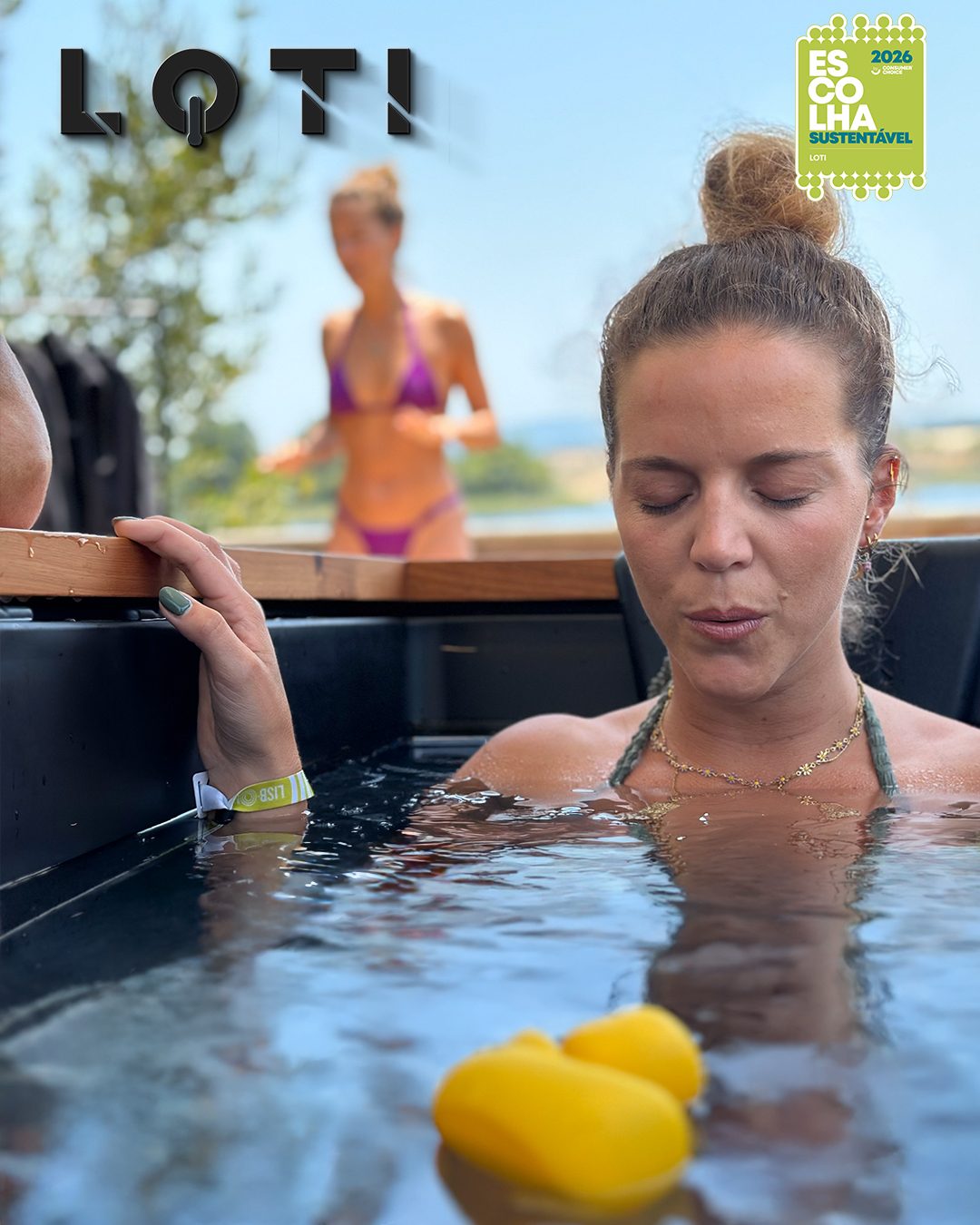
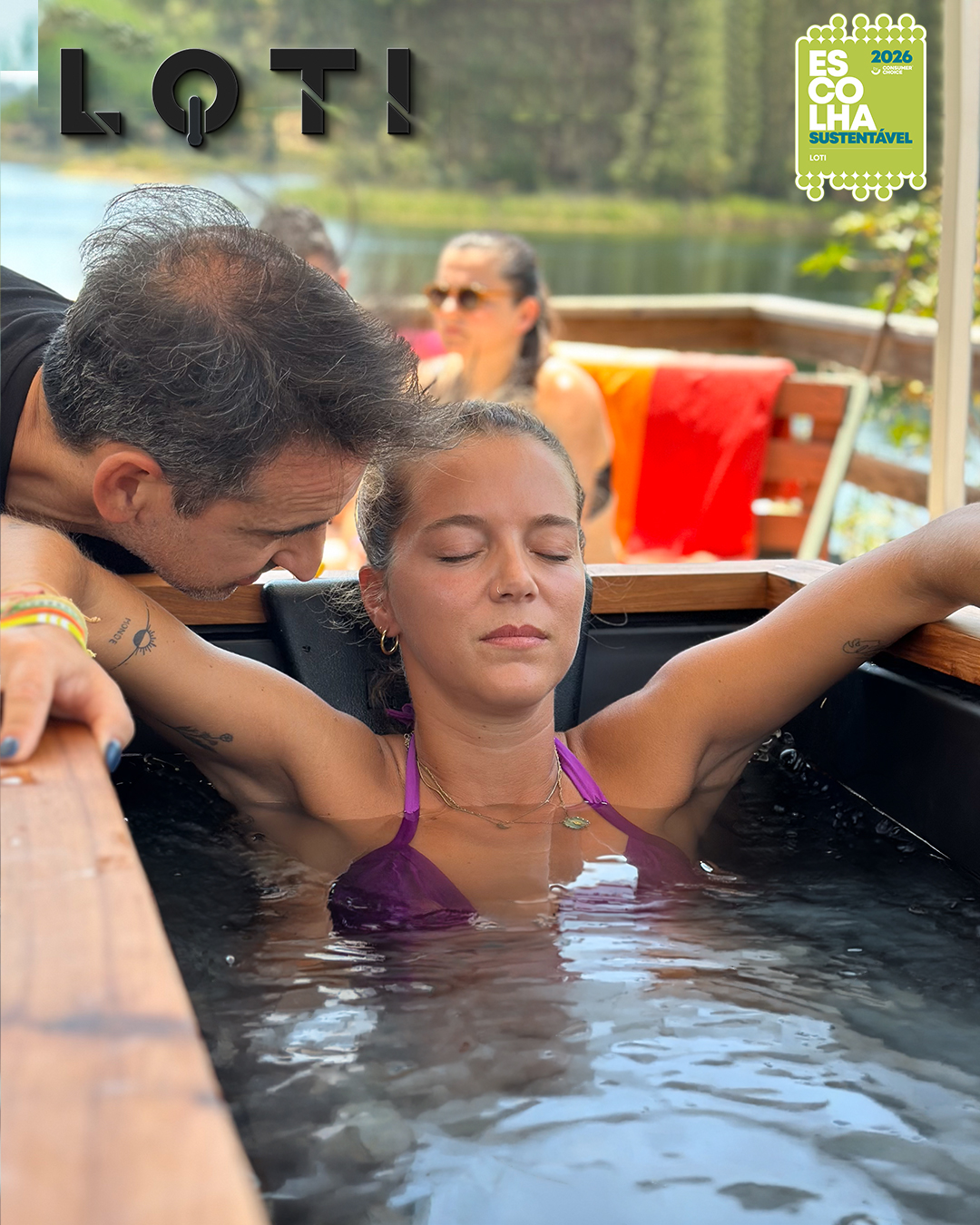
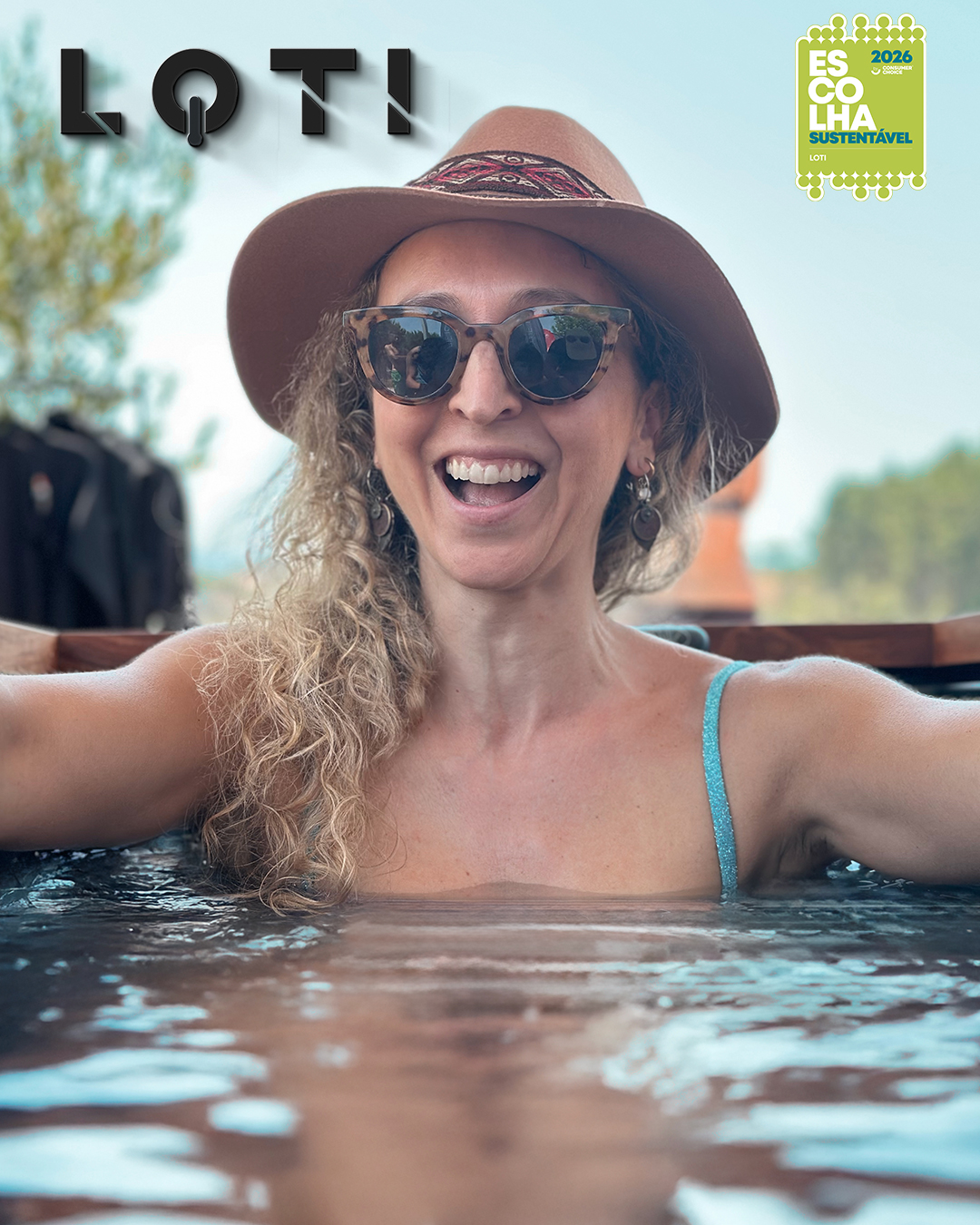
Cold plunges should be communicated as a more strategic solution than a simple post-workout practice. Their value lies in the ability to combine physical recovery, well-being, quality of life, mental challenge and a sense of vitality.
In practice, this places cold plunges in a broader territory than muscle recovery. The audience is not only athletes. It is also people looking for active longevity, daily well-being, mental control, energy, discipline and a quality-of-life routine.
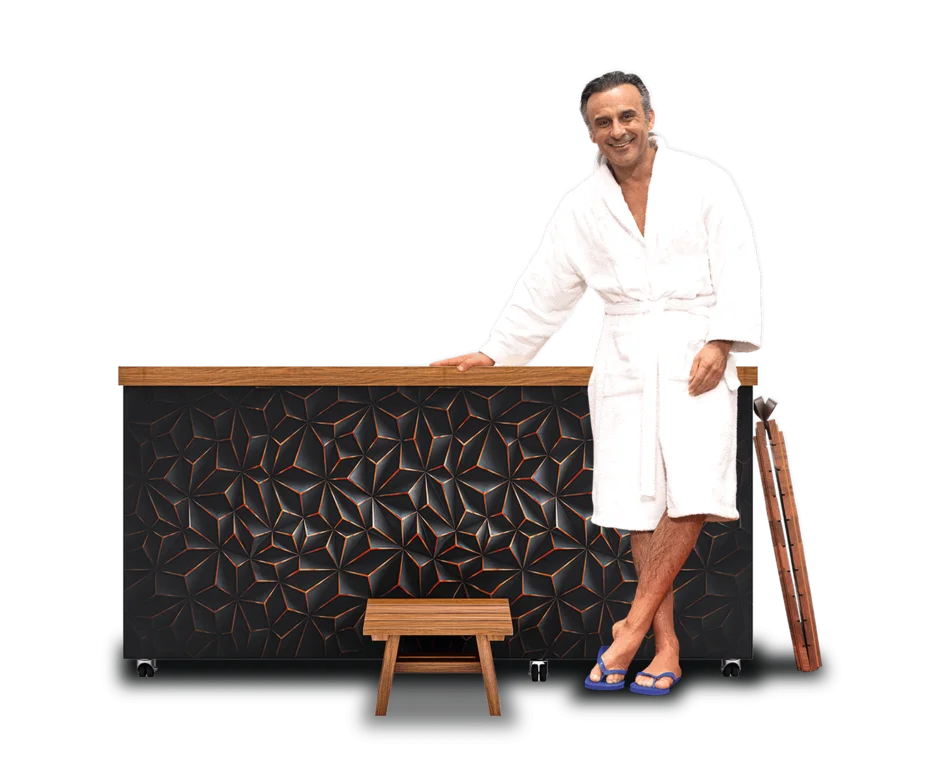
LOTI – LORD OF THE ICE is a cold plunge solution developed to transform cold-water immersion into a regular, controlled and distinctive experience.
More than cooling water, LOTI creates a recovery and well-being ritual. It is a solution designed for demanding home use, gyms, clinics, spas, hotels, CrossFit boxes, performance centres and wellness spaces.
LOTI is positioned in a territory where recovery, longevity, lifestyle and performance meet. LOTI is not a merely technical piece of equipment. Its a premium experience for physical recovery, mental resilience and quality of life.
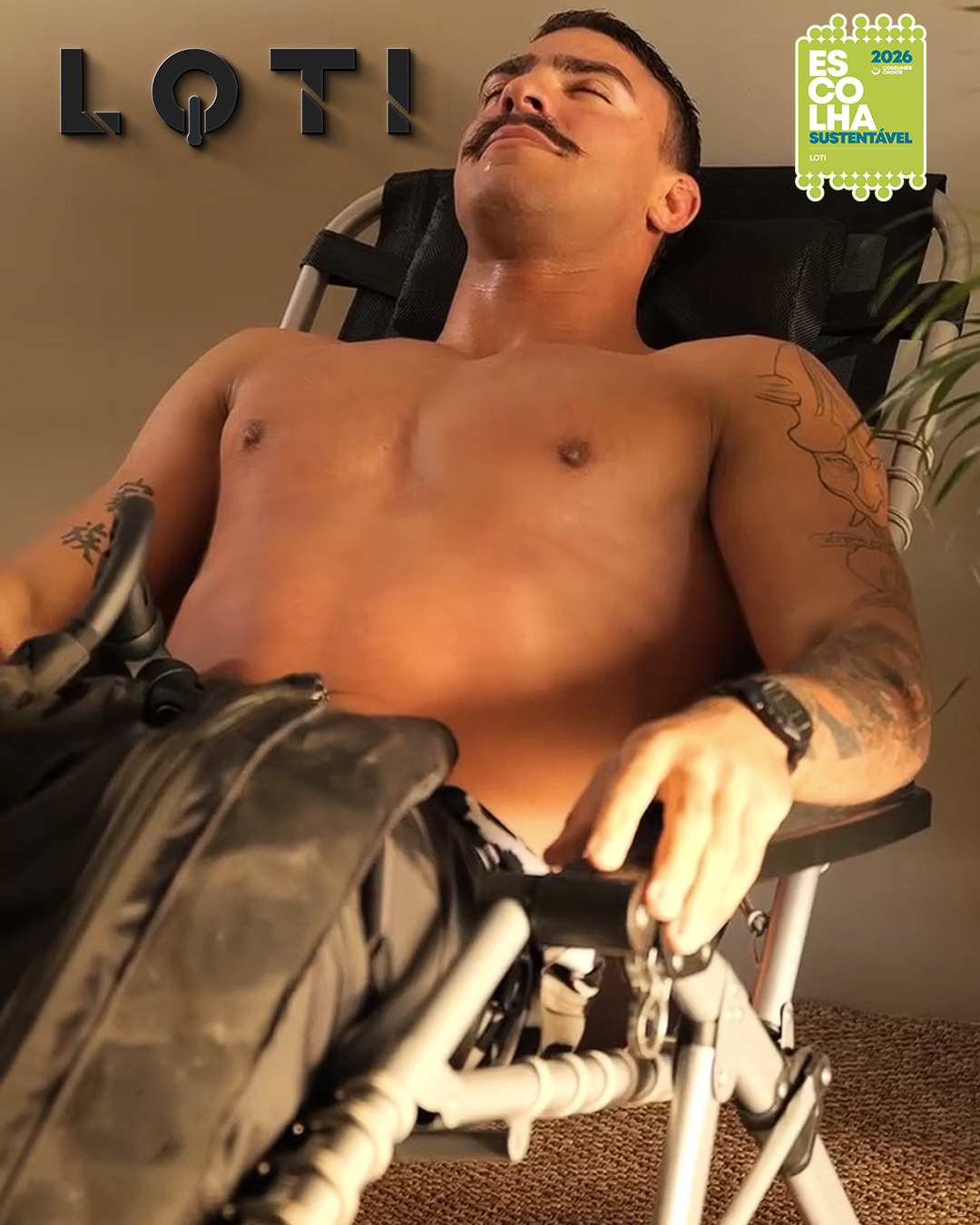
Pressotherapy boots are devices that wrap around the legs and apply pressure through air chambers. This technology is known as intermittent pneumatic compression.
Their operation is mechanical. The boots inflate and deflate sequentially, creating pressure on the lower limbs. The aim is to help push venous blood and accumulated lymph back towards the heart, promoting a feeling of relief, drainage and relaxation. Pressotherapy boots can be useful for people experiencing tired legs, fluid retention, localised fatigue or the need for passive recovery of the lower limbs.
Despite their benefits, pressotherapy boots have important limitations.
Não eliminam gordura localizada.
They do not eliminate localised fat.
They do not replace good nutrition, training, sleep and hydration habits.
They do not replace clinical evaluation when circulatory problems exist.
They do not offer a full-body global experience.
They do not develop mental resilience in the same way as cold-water immersion.
Pressotherapy boots can help temporarily reduce volume associated with fluid retention, but they do not burn fat or replace physical exercise or a balanced health routine.
The main difference lies in the type of stimulus and the depth of the experience.
Cold plunges apply a global thermal stimulus. Cold water surrounds the body, challenges breathing, requires mental control and creates an intense experience of adaptation to cold.
Pressotherapy boots apply a localised mechanical stimulus. Pressure acts mainly on the legs, with a comfortable, passive experience limited to the lower limbs.
Cold plunges use cold, body immersion and mental challenge. Pressotherapy boots use mechanical pressure on the legs. For this reason, cold plunges offer a more global experience, while pressotherapy offers a more localised and passive solution.
In cold plunges, the cold causes vasoconstriction, meaning the narrowing of blood vessels. This response temporarily reduces blood flow in the exposed area and can help reduce the perception of pain and inflammation after physical effort.
After leaving the water, the body begins to rewarm and vasodilation occurs, increasing blood flow. This dynamic is part of the physiological experience associated with cold plunge.
Beyond the physical effect, there is also a mental dimension. Entering a cold plunge requires breathing control, focus and tolerance to discomfort. It is a real challenge in mental resilience.
Pressotherapy boots work through active pneumatic compression. The air chambers apply pressure sequentially, usually from the bottom upwards, helping to mobilise accumulated fluids in the lower limbs.
This mechanism is useful for the sensation of heavy legs, fluid retention and localised recovery. However, its action is more limited: it mainly targets the legs and does not create the same thermal, systemic and mental stimulus as cold plunges.
Cold plunges offer a broader value proposition because they combine physical recovery, well-being, quality of life and mental challenge.
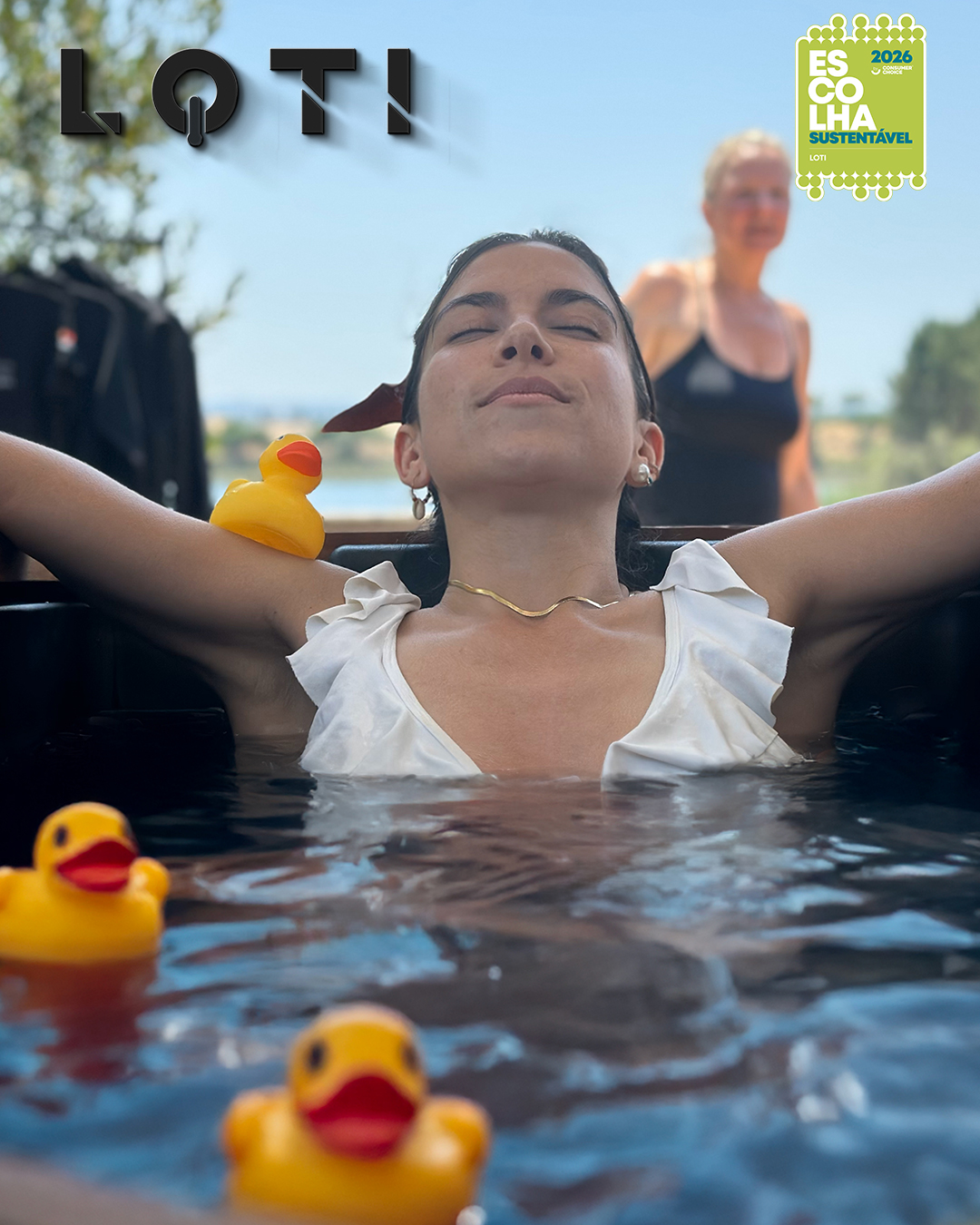
Cold plunges can help reduce perceived muscle soreness after intense effort. They are often used after demanding training sessions, competitions or periods of high physical load.
Controlled cold exposure is increasingly associated with well-being routines. For many people, a cold plunge represents a moment of pause, focus, breathing and reconnection with the body.
Longevity should not be understood only as living more years, but as living better, with more energy, mobility, discipline and recovery capacity. In this sense, cold plunges fit into a territory of active longevity, where recovery and well-being are part of a consistent routine.
Cold-water immersion is a true mental battle. The initial discomfort requires control, presence and decision. This dimension makes cold plunges different from passive solutions.While pressotherapy boots allow the user to relax comfortably, cold plunges challenge the user. That difficulty is part of the value of the experience.
For gyms, spas, clinics, hotels and performance centres, cold plunges offer a visible, memorable and distinctive experience. LOTI can become an attraction point, a premium service and a symbol of advanced positioning in recovery and wellness.
Pressotherapy boots have real benefits, especially when the goal is localised.
Pneumatic compression can support venous return and the mobilisation of fluids in the lower limbs. For this reason, it is widely used in contexts involving tired legs, fluid retention and localised recovery.
Pressotherapy boots can help temporarily reduce swelling associated with fluid accumulation. This reduction should not be confused with fat loss.
They are a comfortable and practical solution. The user can complete the session lying down or seated, without cold exposure and without significant mental effort.
Pressotherapy boots can complement training, physiotherapy, manual drainage, active recovery and other well-being strategies. However, they should be used with appropriate parameters and, when in doubt, with professional guidance.
⚠️Pressotherapy boots should not be presented as a universal solution.
Manual lymphatic drainage allows for a more personalised approach, guided by a professional. Pressotherapy is mechanical and less adaptable to specific needs.
Pressotherapy can temporarily reduce volume associated with fluid retention, but it does not eliminate localised fat. For sustainable body changes, balanced nutrition, physical exercise, sleep and consistency remain essential.
Sessions that are too long, excessive pressure or incorrect use can cause discomfort, bruising or unwanted compression. For this reason, it is recommended to follow appropriate protocols and avoid uncontrolled use.
Pressotherapy should be avoided or assessed by a healthcare professional in cases of deep vein thrombosis, history of blood clots, serious heart conditions, uncontrolled high blood pressure, open wounds, infections, acute skin inflammation, severe varicose veins or pregnancy without medical authorisation.
⚠️Cold plunges also require responsibility.
Cold exposure can trigger significant cardiovascular responses. People with heart conditions, uncontrolled high blood pressure, Raynaud’s syndrome, extreme sensitivity to cold or other clinical conditions should seek medical advice before starting the practice.
Cold plunges should be used strategically. For those whose main goal is to gain muscle mass, immediate use after strength training may not be ideal, because cold exposure can interfere with some adaptive responses associated with muscle growth.
For this reason, cold-water immersion should be integrated according to the objective: recovery, pain reduction, performance, well-being, longevity or hypertrophy.
Cold plunges are the more strategic choice when the goal goes beyond localised relief.
A complete recovery experience.
A practice associated with longevity and quality of life.
A well-being ritual with physical and mental impact.
A tool to develop mental resilience.
A distinctive solution for gyms, spas, clinics or hotels.
A premium cold plunge experience.
A more consistent alternative to improvised ice baths.
Pressotherapy boots make sense when the goal is more specific and localised.
Relief from tired legs.
Temporary reduction of swelling associated with fluid retention.
Passive recovery of the lower limbs.
A comfortable and simple solution to use.
A complement to other recovery routines.
A localised option for running, cycling or leg training.
Yes, when the objective is to create strategic value, experience and positioning.
Pressotherapy boots are useful, but they function mainly as a functional tool. The person puts on the boots, relaxes and receives compression on the legs.
Cold plunges are different. There is preparation, decision, entry into the cold, breath control, adaptation and overcoming. The experience is more intense, more memorable and more transformative.
For this reason, cold plunges communicate better with audiences looking for recovery, performance, longevity, well-being, quality of life and mental challenge. This territory is broader than that of pressotherapy boots.

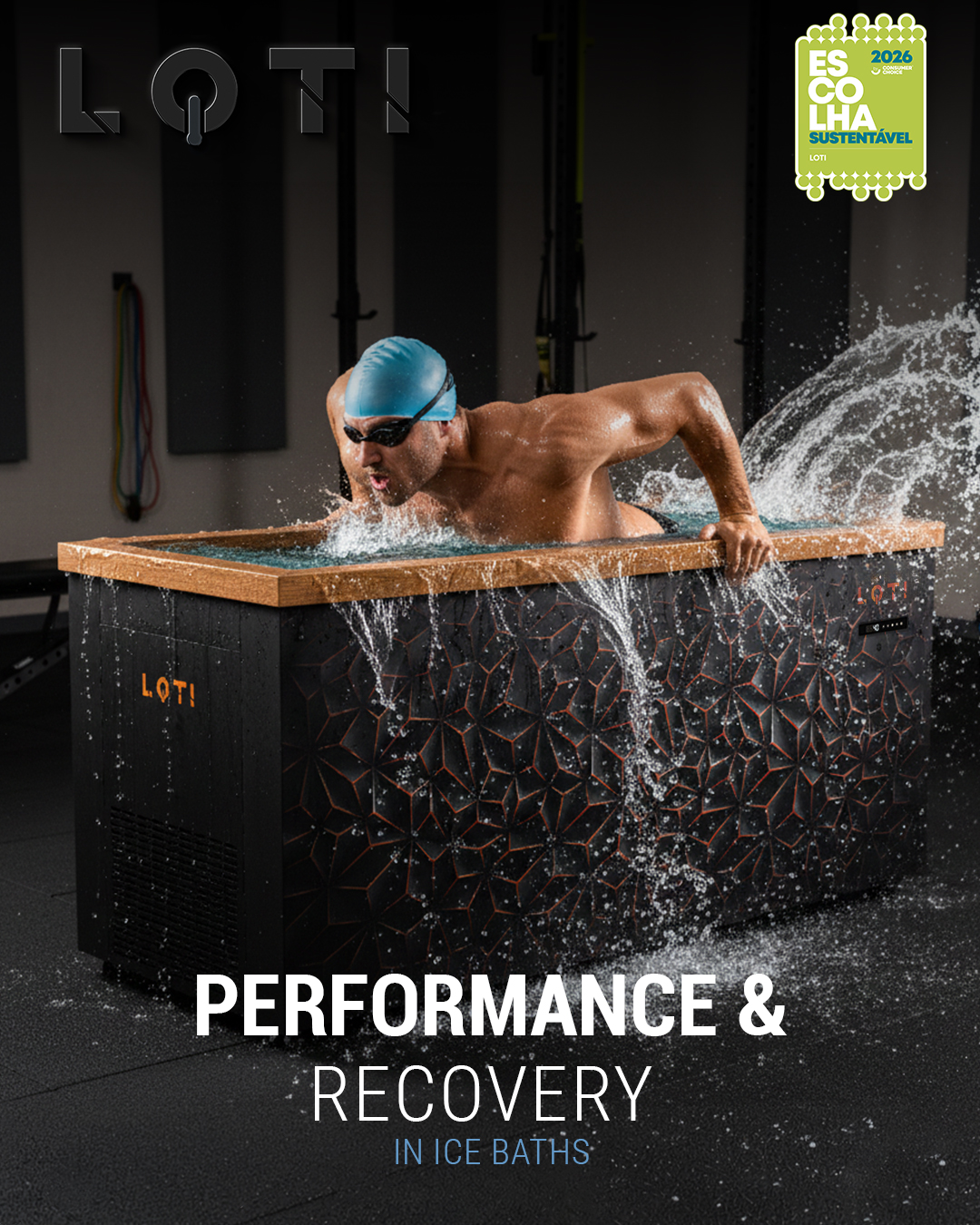
Global thermal stimulus.
Body immersion.
Physical and mental experience.
Focus on recovery, longevity, well-being and resilience.
Greater experiential impact.
Greater strategic value for professional spaces.
Requires adaptation, control and discipline.
Should be used with caution by people with cardiovascular problems or sensitivity to cold.
Localised mechanical stimulus.
Main action on the legs.
Comfortable and passive experience.
Focus on circulation, drainage, fluid retention and tired legs.
Does not promote weight loss or eliminate localised fat.
Results tend to be temporary without good habits.
Requires caution in people with circulatory problems, blood clots, wounds or clinical contraindications.
The two solutions can coexist, but they do not communicate the same value.
Pressotherapy boots can complement a localised recovery routine. Cold plunges can structure a more global recovery experience, associated with performance, longevity, well-being and mental discipline.
For an athlete, there may be moments for both. For a gym, clinic, spa or hotel, the combination can enrich the offer. However, when the objective is to create differentiation, premium experience and wellness positioning, cold plunge has a clear advantage.
LOTI occupies precisely this space: a cold plunge solution that transforms recovery into a physical, mental and sensory ritual.
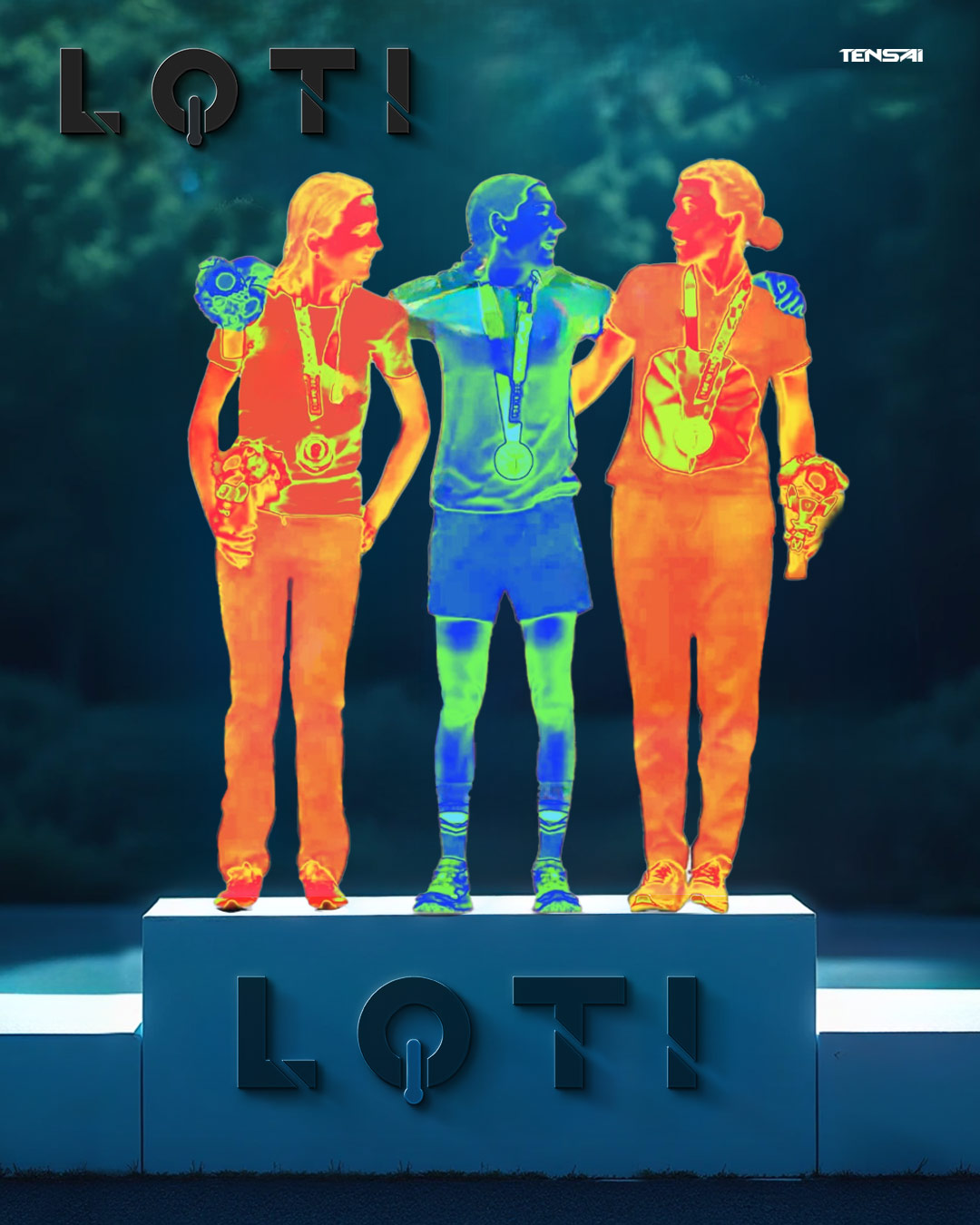
Cold plunges are immersions in cold water used for physical recovery, well-being, performance and mental resilience. Cold exposure triggers a bodily response and requires breathing control, focus and adaptation.
Pressotherapy boots are devices that apply intermittent pneumatic compression to the legs. They are used to improve the feeling of circulation, reduce fluid retention and relieve tired legs.
The main difference is the type of stimulus. Cold plunges use cold and body immersion. Pressotherapy boots use mechanical compression on the legs.
No. Cold plunges are used by athletes, but also by people looking for longevity, well-being, quality of life, mental resilience and more complete recovery routines.
No. Pressotherapy boots can temporarily reduce volume associated with fluid retention, but they do not burn fat or replace balanced nutrition and physical exercise.
Yes. They may be contraindicated in cases of deep vein thrombosis, history of blood clots, serious heart conditions, uncontrolled high blood pressure, open wounds, infections, acute inflammation, severe varicose veins or pregnancy without medical authorisation.
Yes. People with cardiovascular conditions, uncontrolled high blood pressure, Raynaud’s syndrome or high sensitivity to cold should seek medical guidance before starting the practice.
LOTI was designed to replace improvised solutions with a more controlled, consistent cold plunge experience prepared for regular use. The goal is to create a recovery, well-being and differentiation ritual. Thanks to its integrated cooling system, LOTI can reach temperatures of 1 ºC without the need to use ice.
Cold plunges are more strategic when the goal is to create a premium, distinctive experience associated with recovery, longevity, well-being and performance. Pressotherapy boots can complement the offer, but they have a more localised action.
Cold plunges and pressotherapy boots are relevant solutions, but with different ambitions.
Pressotherapy boots are useful for localised leg recovery, relief from heaviness, fluid retention and passive comfort. However, their action is limited to the lower limbs and does not offer the same experiential, mental and strategic dimension as cold plunges.
Cold plunges represent a more complete commitment. They combine physical recovery, longevity, well-being, quality of life and mental resilience. They are a demanding, intense and distinctive experience, reserved for those who accept the challenge of the cold and seek more than passive recovery.
It is in this territory that LOTI stands out: not only as a cold plunge device, but as a cold plunge solution designed to transform recovery into a ritual of performance, well-being and longevity.
Want to transform recovery into a distinctive experience?
Discover LOTI – LORD OF THE ICE and explore a cold plunge solution developed for recovery, longevity, well-being, performance and mental resilience.
And You?
ARE YOU PART OF THE LOTI TRIBE YET?
🌍 Join the cold-plunge revolution and discover all the benefits LOTI can bring you.
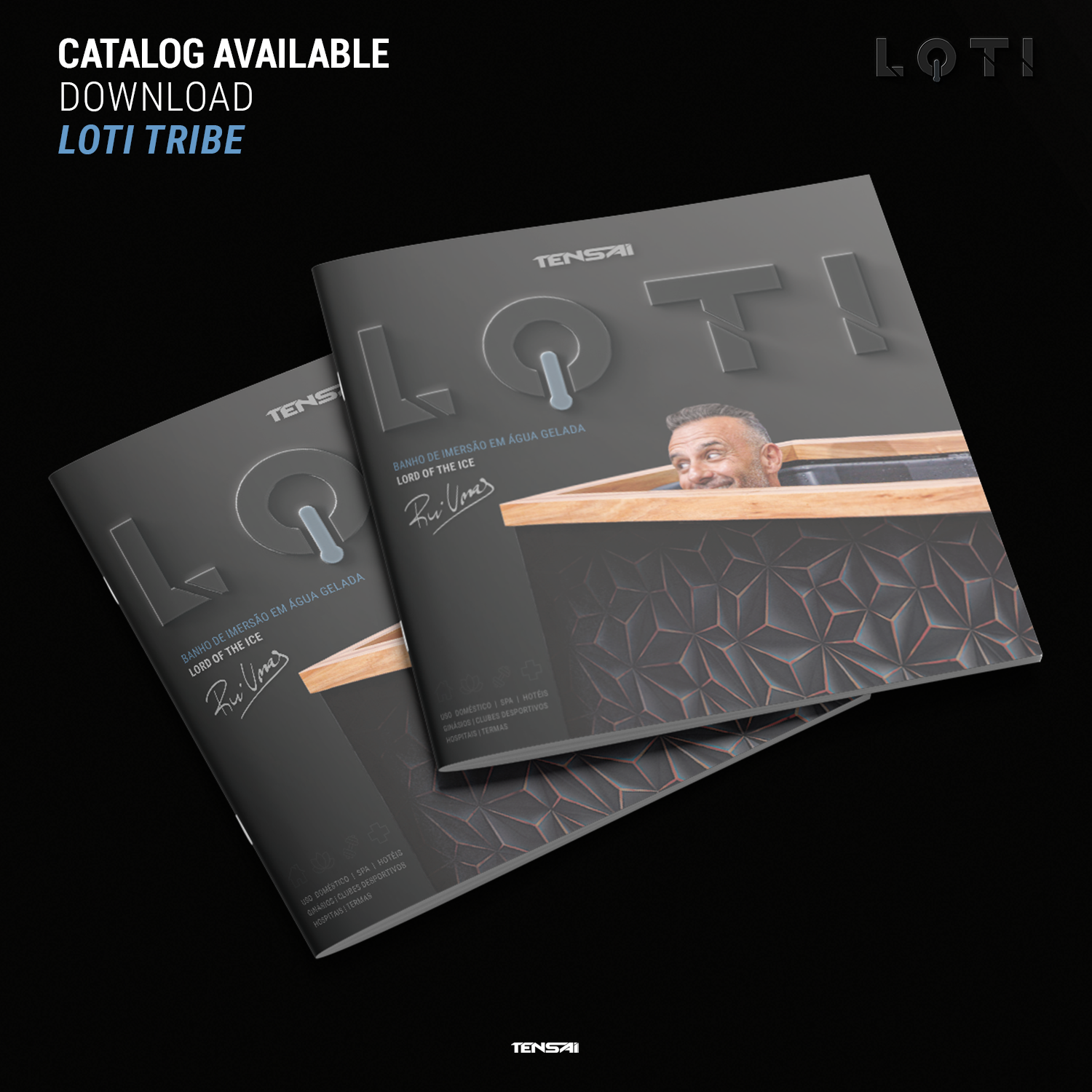
DOWNLOAD THE CATALOGUE HERE to find out more information and clarify some of your doubts.
Who is LOTI for?
LOTI Specifications
Customization
Savings and Sustainability
Thermal Insulation
Datasheet
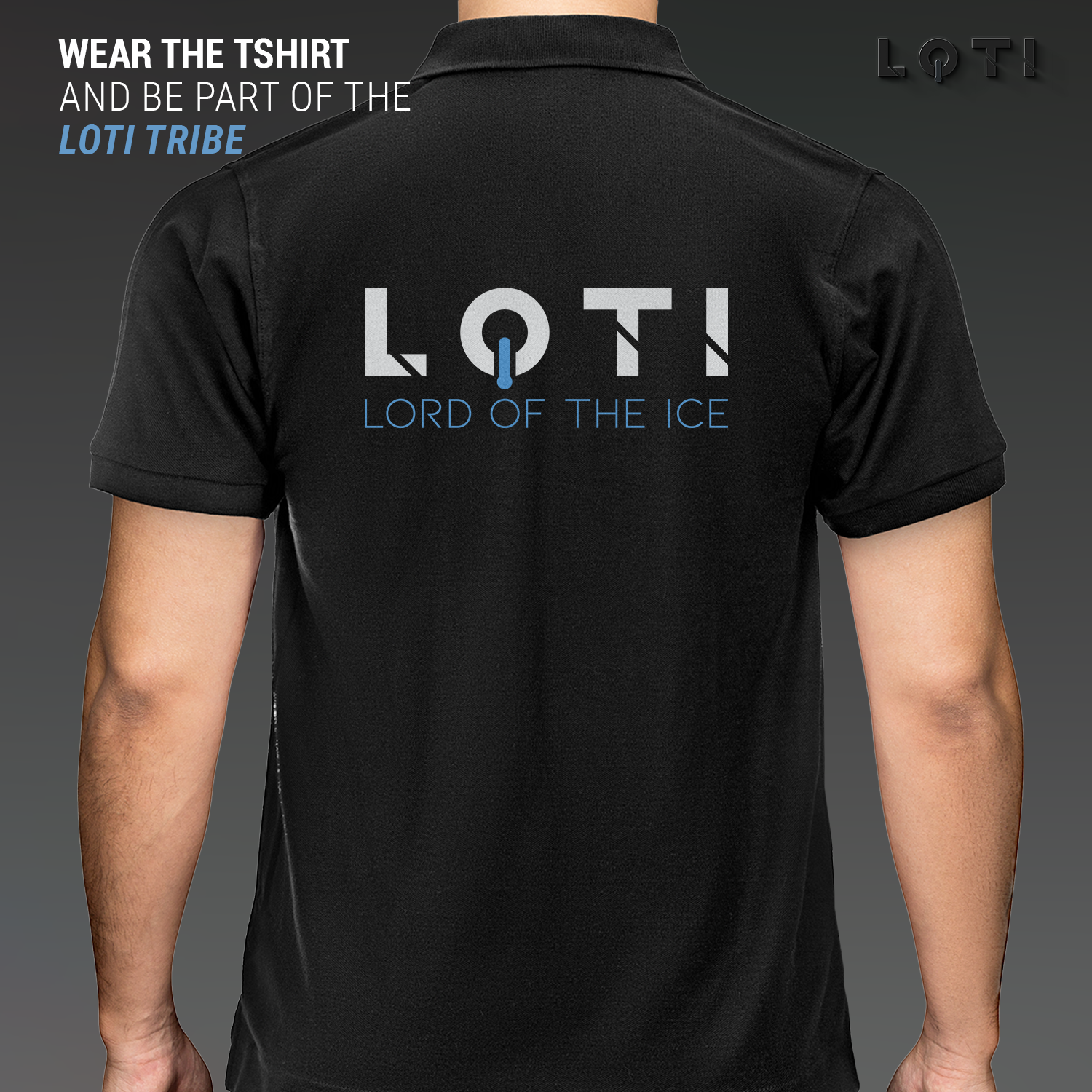




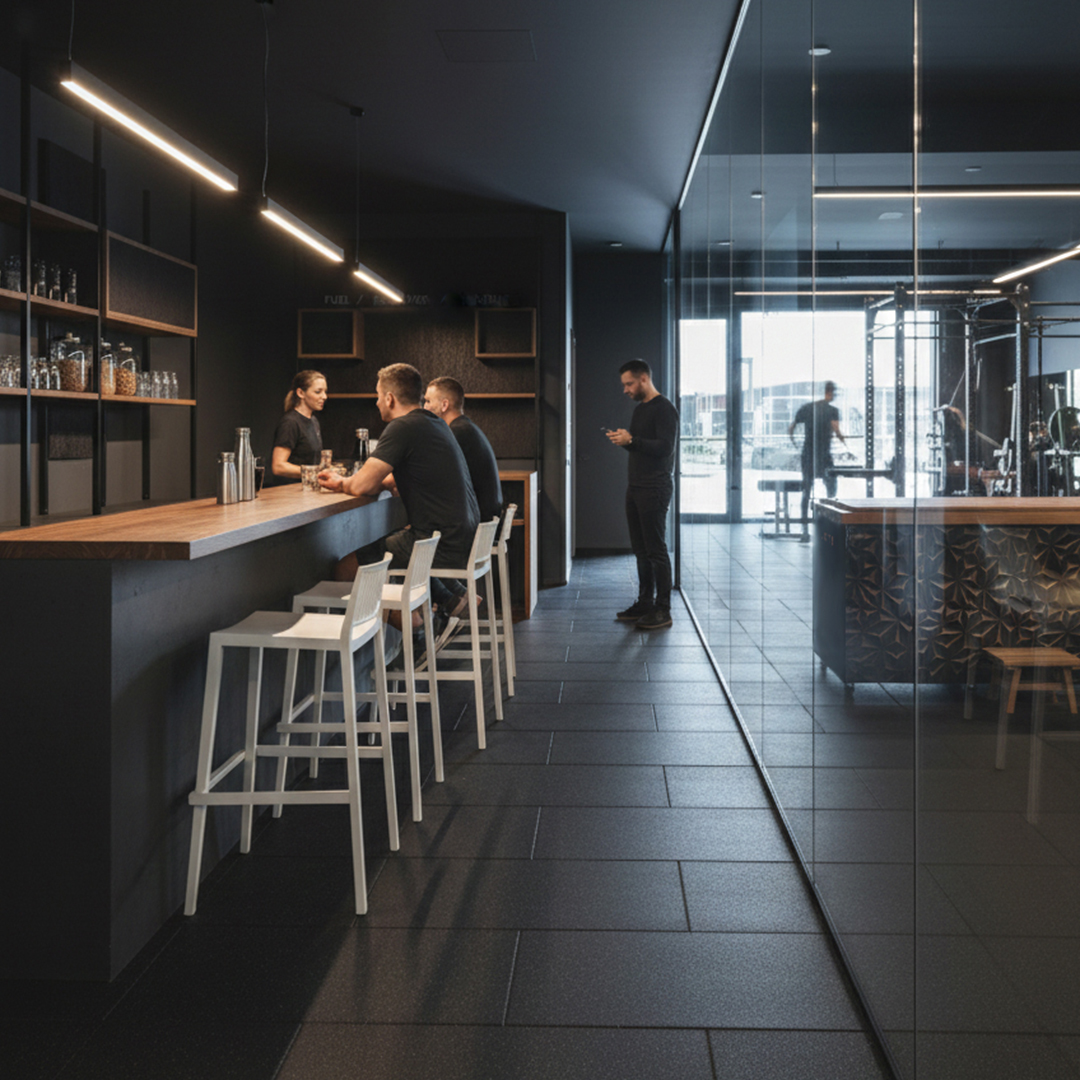
Tribo LOTI: the Made in Portugal movement uniting brands, wellness and sustainability
Tribo LOTI was born as a Made in Portugal movement connecting brands, people and experiences in a collaborative ecosystem of wellness, sustainability and authenticity.
Read more >>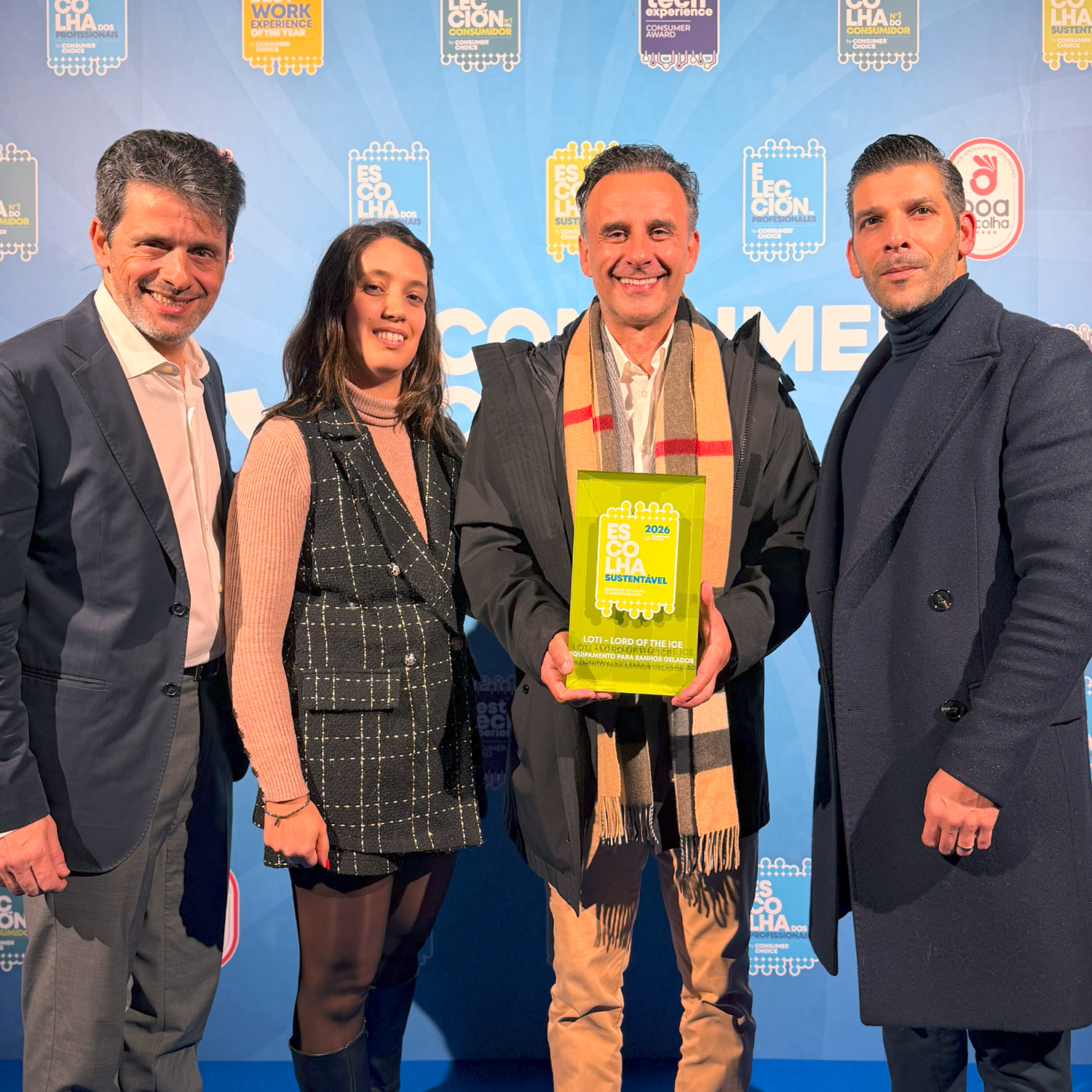
LOTI Celebrates Sustainable Choice 2026 at ConsumerChoice - Networking & Innovation
LOTI takes the stage at ConsumerChoice 2026, celebrating sustainable impact and new opportunities to connect with brands and influencers.
Read more >>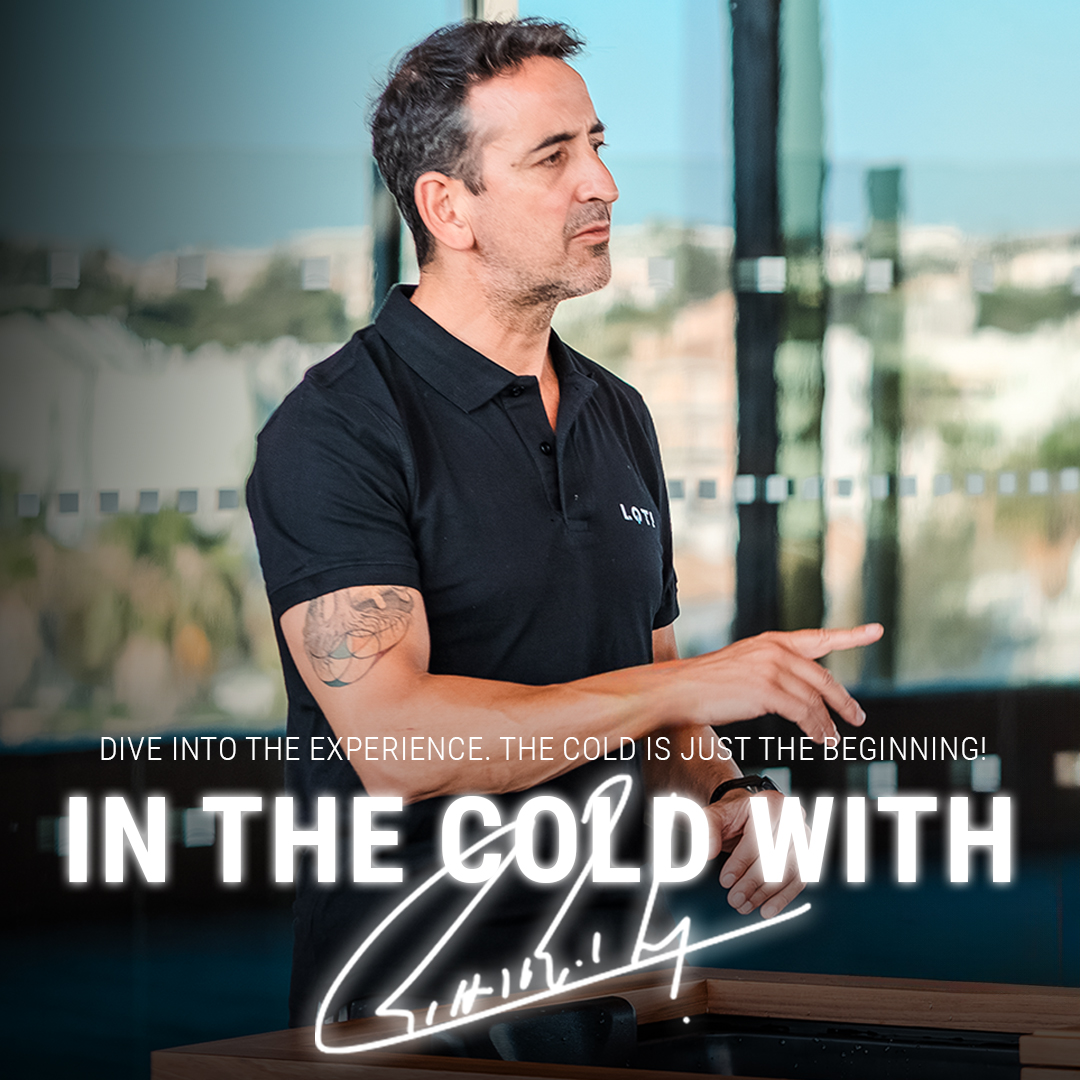
Into the Cold with Ricardo Pinhão - Ice Bath Benefits with LOTI
A new series dedicated to ice baths, the balance between body and mind, and the transformative experience of the LOTI Tribe, with Ricardo Pinhão.
Read more >>
LOTI is Sustainable Choice 2026 in Cold Plunge Equipment
LOTI is Sustainable Choice 2026 in cold plunge equipment, recognized by experts and consumers for its positive environmental, social, and economic impact.
Read more >>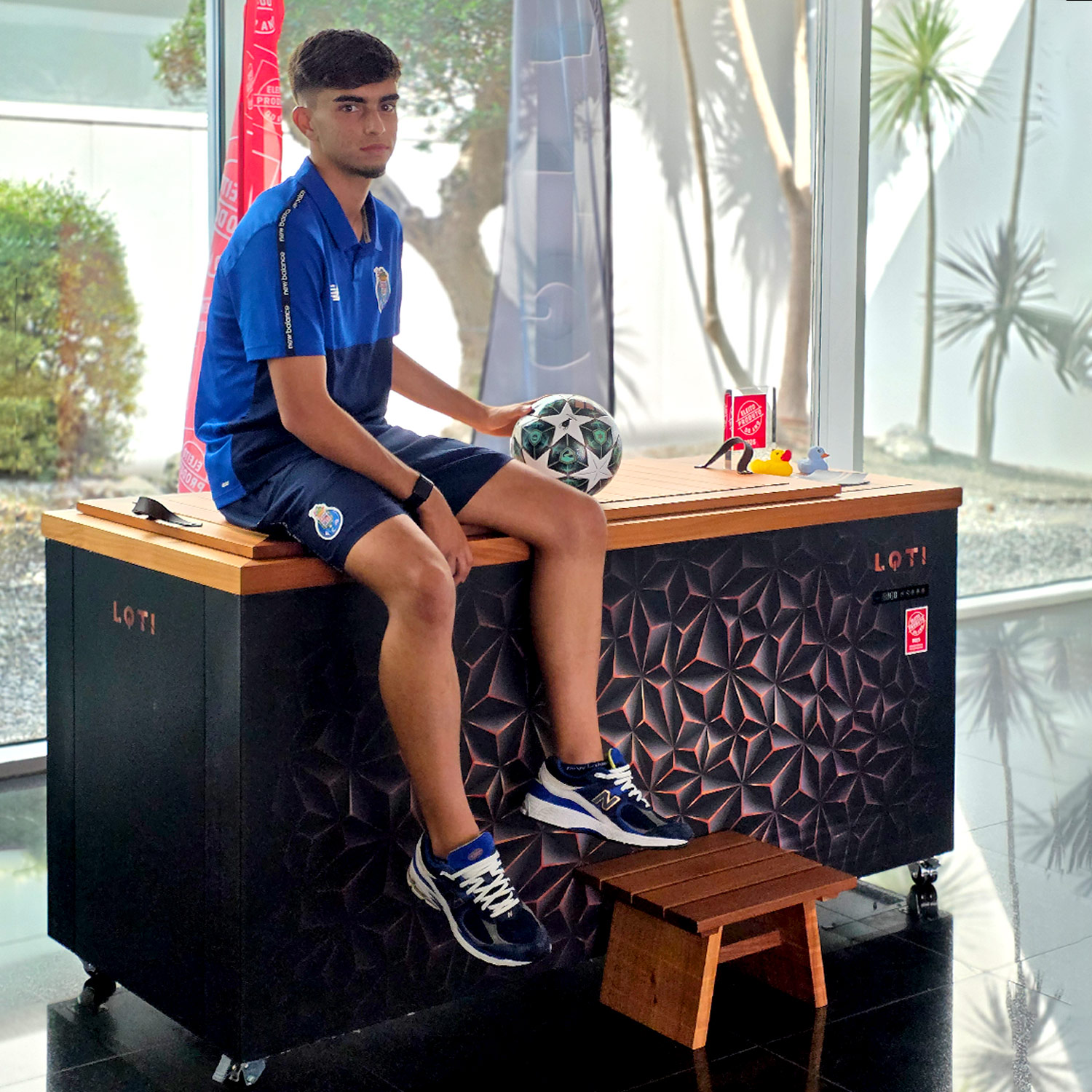
Rodrigo Morais, young professional FC Porto athlete, relies on LOTI for recovery and to boost his performance
: Rodrigo Morais, young professional athlete from FC Porto, integrates LOTI ice baths into his recovery plan, enhancing his sports performance.
Read more >>
Contact us using the form bellow